Download Full Report (PDF)
GirlOK Strategy White Paper — May 2026
Strictly Confidential · For qualified institutional recipients only
1. Executive Summary
The global FemTech market has reached a critical inflection point. Valued at approximately $59.5 billion in 2026 and projected to surpass $246 billion by 2035 at a compound annual growth rate of 16.9%, the sector is transitioning from its first decade — characterized by venture-funded cycle-tracking apps — into a second wave defined by integrated, closed-loop ecosystems that combine diagnostics, therapeutics, and care delivery.
This white paper argues three propositions:
- The pure-play app model is structurally capped. Leading cycle-tracking platforms have achieved hundreds of millions of users but generate single-digit average revenue per user (ARPU). Subscription fatigue, platform homogenization, and the inherent ceiling of software-only monetization — where user data is captured but product revenue is captured by third parties — place a hard limit on enterprise value.
- Digital-to-physical integration is the only scalable monetization path. Companies that close the loop from AI-driven prediction to tangible product intervention — clinical skincare, evidence-backed nutraceuticals, wearable hardware, and physical clinic networks — can achieve 10x to 50x ARPU expansion relative to software-only peers.
- Asia-Pacific represents the largest underserved opportunity in women's health. As the fastest-growing regional FemTech market with over 20% projected CAGR, APAC remains dramatically under-penetrated by Western incumbents. A native, hardware-integrated, luxury-positioned brand with APAC supply chain and cultural fluency represents an asymmetric acquisition target for platforms seeking regional expansion and monetization breakout.
This document is intended for strategic decision-makers at digital health platforms, private equity firms, healthcare conglomerates, and venture investors evaluating the next phase of women's health technology.

2. The State of FemTech in 2026
2.1 Market Scale and Trajectory
The women's health technology sector has matured from a niche category into a foundational pillar of the global healthcare economy. Key metrics:
| Metric | 2025 | 2026 | 2035 (Projected) |
|---|---|---|---|
| Global Market Value | $51.65B | $59.51B | $246B+ |
| CAGR | — | 16.9% | 16.9% |
| Billion-Dollar Companies | 15+ | 20+ | 50+ (est.) |
| Total VC/PE Investment (Cumulative) | $15B+ | $18B+ | — |
| Women's Health Exits (2000–2024) | 272 | — | — |
Sources: Grand View Research, Research & Markets, AOA Dx Exit Analysis, Healthcare Digital Q1 2026 Report.
2.2 Structural Trends
Five structural trends define the 2026 landscape:
- Trend 1: From Tracking to Prediction. Artificial intelligence has transformed women's health platforms from passive symptom loggers into proactive, biomarker-driven diagnostic engines. The data is rich. The question is what happens next.
- Trend 2: Regulatory Maturation. The EU AI Act imposes compliance moats that favor well-capitalized platforms. Regulatory clarity is accelerating institutional capital entry while raising barriers for new entrants.
- Trend 3: Employer Integration. Platforms like Maven Clinic have pioneered the B2B model, validating the thesis that women's health is an enterprise necessity with corresponding willingness to pay.
- Trend 4: Deep FemTech Emergence. Science-first, hardware-integrated ventures developing molecular wearables, non-invasive cancer screening, and closed-loop systems. This is fundamental R&D.
- Trend 5: The APAC Growth Engine. APAC is the fastest-growing region globally, driven by rising healthcare spending, digital health mandates, and demographic skew.
3. The Monetization Ceiling: Why Software Alone Cannot Win
3.1 The ARPU Problem
The defining challenge of first-wave FemTech is not user acquisition. It is monetization intensity. Consider the following illustrative comparison:
| Platform | Revenue Model | Est. ARPU | Category |
|---|---|---|---|
| Flo Health | Subscription | ~$3–8/yr | Cycle Tracking |
| Natural Cycles | Sub + Device | ~$50–80/yr | Contraception |
| Netflix | Subscription | ~$180/yr | Entertainment |
| LVMH | Physical Goods | ~$1,000+/yr | Luxury |
The pattern is stark. A cycle-tracking app generates ARPU comparable to a single takeout meal. Yet the same user may spend hundreds on skincare, medical consultations, and treatments. The app captures the data. Third parties capture the revenue.
3.2 Structural Limits of the Subscription Model
The subscription model faces four structural headwinds:
- Subscription Fatigue. A $9.99/month cycle tracker competes with Spotify, Netflix, and cloud storage.
- Perceived Value Ceiling. The psychological willingness to pay for information is fundamentally lower than willingness to pay for intervention.
- Platform Homogenization. Feature parity among apps leads to commoditization pressure.
- Data Monetization Barriers. Selling data is constrained by privacy regulations (GDPR, HIPAA) and Apple's ATT.
"Even with 350 million users, a $3–8 ARPU yields a revenue base of $1–2.8 billion. The same user base, monetized through physical products at $200–500 ARPU, would generate $70–175 billion. The delta is transformational."
4. The Digital-to-Physical Imperative
4.1 The Closed-Loop Thesis
The next generation will be defined by how effectively platforms intervene in biology. A closed-loop system operates across four stages:
[Continuous Monitoring] → [AI Prediction] → [Tangible Intervention] → [Outcome Feedback]
        ↑                                                                    ↓
        └──────────────────── Data Loop ────────────────────────────────────┘
- Stage 1: Continuous Monitoring via wearable hardware and at-home diagnostics.
- Stage 2: AI Prediction trained on biomarkers to anticipate pathology.
- Stage 3: Tangible Intervention triggering specific purchasable products: skincare, nutraceuticals, clinical care.
- Stage 4: Outcome Feedback where post-intervention data flows back to refine the engine.

4.2 The ARPU Expansion Model
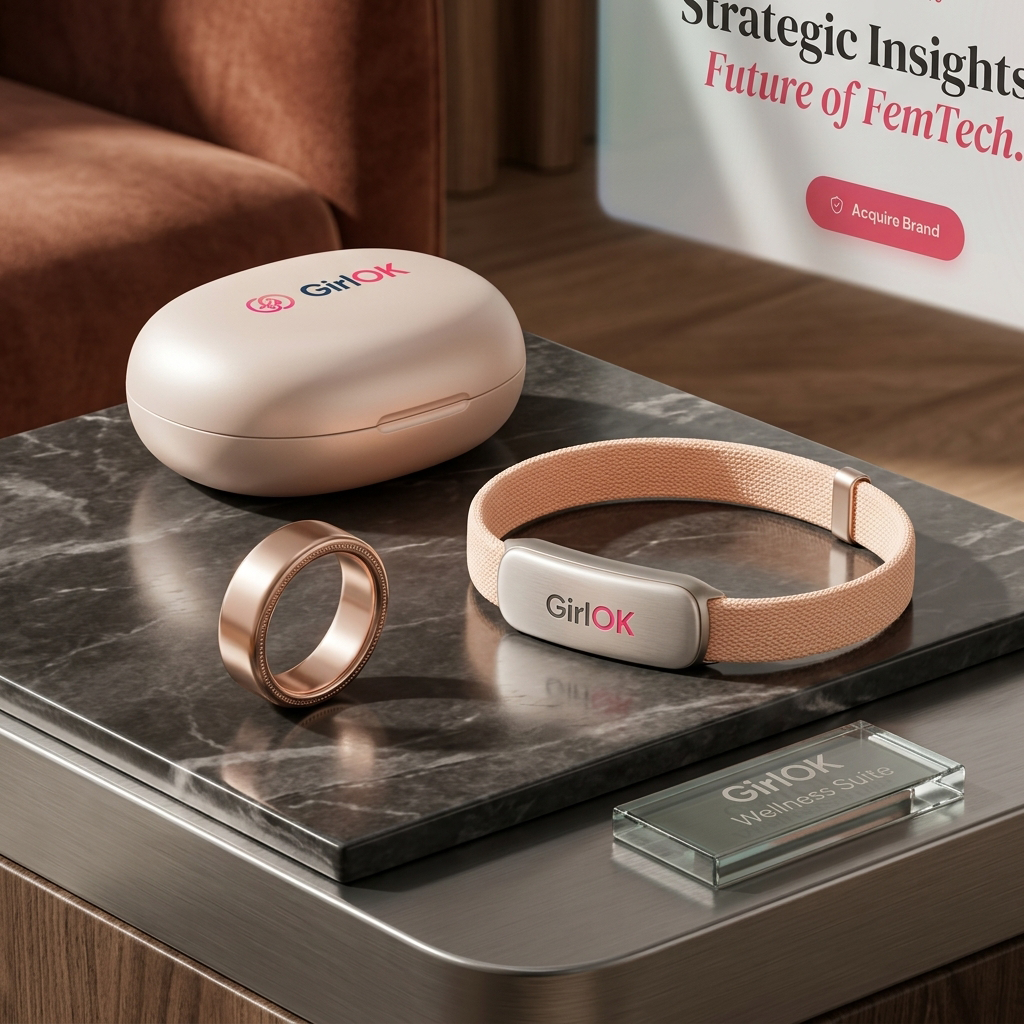
A closed-loop system fundamentally alters the unit economics, introducing new revenue layers (Hardware, Skincare, Nutraceuticals, Clinical Services) that expand total annual ARPU by 15–50x.
Physical assets also create structural moats: Hardware IP, Formulation Science, Physical Clinic Networks, and Supply Chain Integration.

5. The APAC Opportunity: A $100B Blind Spot
The Asia-Pacific region is the fastest-growing FemTech market globally. Why have Western incumbents failed here?
- Regulatory Fragmentation: NMPA (China), PMDA (Japan), MFDS (Korea) require local partnerships.
- Cultural Specificity: Western individualistic messaging frameworks do not always translate.
- Distribution Channel Mismatch: Consumption flows through physical retail and social commerce rather than digital subs.
- Luxury Positioning Gap: Asian consumers associate health with luxury and status, requiring a branded physical presence.
A brand that is APAC-native, hardware-integrated, and luxury-positioned represents a turnkey gateway for any Western platform seeking regional expansion.
6. The M&A Landscape: Consolidation Is Accelerating
Women's health M&A has entered aggressive consolidation. Key drivers:
- Platform economics favor scale and network effects.
- Private Equity seeks roll-up opportunities to extract operational synergies.
- Healthcare conglomerates (pharma) seek digital entry for engaged patient populations.
- Digital platforms seek physical expansion to break the ARPU ceiling.
7. A Blueprint for the Closed-Loop Ecosystem
The optimal closed-loop ecosystem is organized around three interconnected pillars:
- Pillar One: Invisible Guardianship — Digital & Sensory. AI platform + Medical-grade wearables.
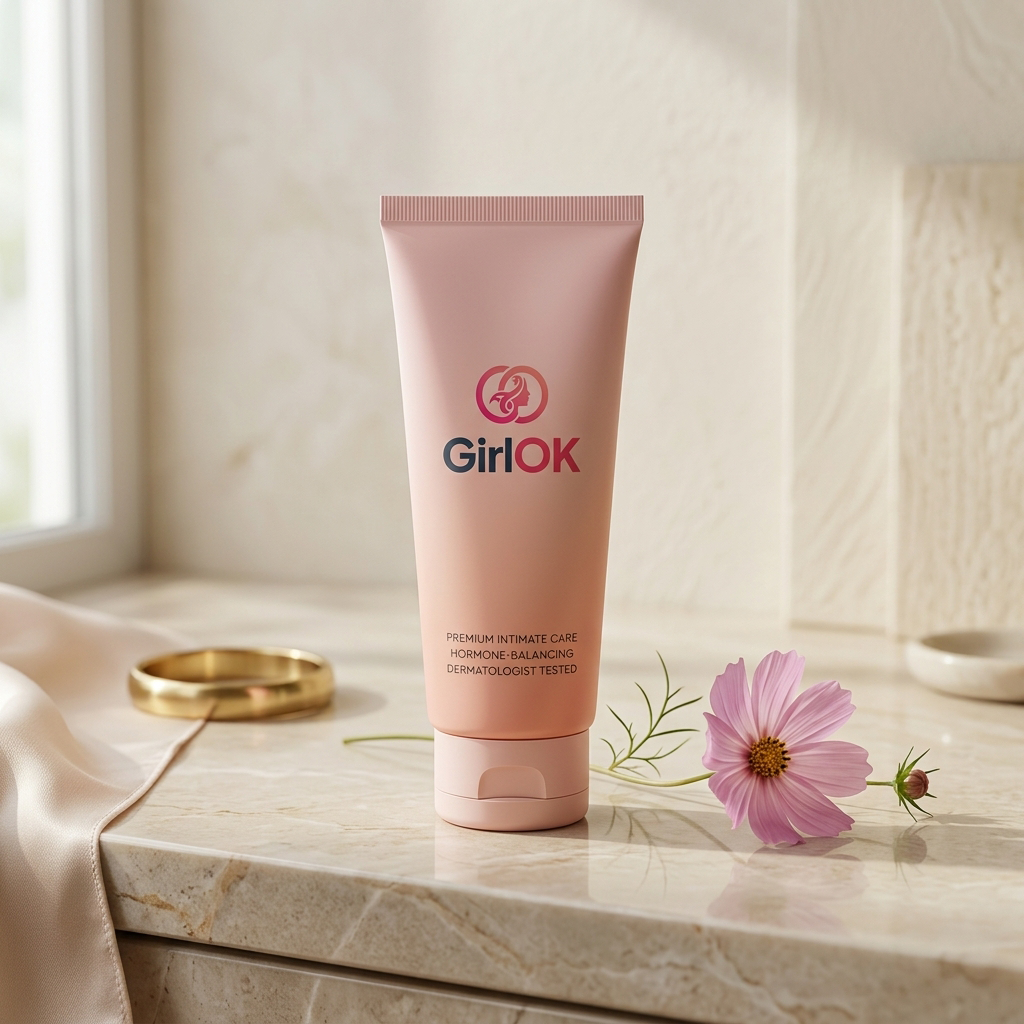
- Pillar Two: Tangible Interventions — Clinical & Personal Care. Skincare, nutraceuticals, diagnostics, physical clinics.
- Pillar Three: Cultural Movements — Belief & Lifestyle. Luxury positioning, landmark advertising, aspirational lifestyle.
8. Conclusion: Who Owns the Full Value Chain?
The global FemTech market stands at a pivotal moment. Five conclusions emerge:
- Pure-play software is a starting point, not an endpoint.
- Digital-to-physical is the only credible monetization breakout.
- APAC is the most asymmetric opportunity in women's health.
- M&A consolidation is accelerating and favors integrated platforms.
- The question is no longer whether women's health is a big market, but who owns the full value chain.
9. Methodology & Sources
This white paper draws on primary and secondary sources including: Grand View Research (2025-2035), Research & Markets (2026), AOA Dx Exit Landscape, Healthcare Digital Q1 2026, Deloitte US, PwC, Forbes Business Council, World Health Expo, FemTech World, and public company filings.
About This Document
This white paper is published by GirlOK, a next-generation women's health ecosystem building the world's first digital-to-physical closed loop for female wellness.
For strategic partnership, M&A, or investment inquiries, contact the GirlOK strategy team.
© 2026 GirlOK. All rights reserved. STRICTLY CONFIDENTIAL.